DOMESTIC VIOLENCE HOTLINE: 1-888-411-1333
DIRECT LINE: 337-436-4552
Information


FACTS
1 out of every 4 American Women have been physically abused by a husband or boyfriend.
“Why you? Because there’s no one better. Why now? Because tomorrow isn’t soon enough. –Donna Brazile
Oasis A Safe Haven for Survivors of Domestic and Sexual Violence offers FREE 24/7 support to victims of domestic violence and sexual assault.
What is Abuse?
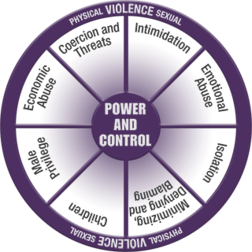
Abuse is physical, sexual, emotional, economic or physiological actions or threats of actions that are meant to control another person. This includes any behaviors that frighten, intimidate, terrorize, manipulate, hurt, humiliate, blame, injure or wound someone.
People of every age, race, gender, sexuality, social and economic level are at risk for becoming victims of domestic violence.
If you think you are being abused, you can get help. No one ever deserves to be abused.
- Read about some signs and red flags of abuse.
- Domestic Violence FAQS
- Learn more about different types of abuse.
- There are places you can contact for support and safety planning steps you may want to consider.
- Read safety tips about computer and internet use.
- Download a personal safety plan.
If you are being abused, you deserve support and safety.
Source: National Network to End Domestic Violence
Domestic Violence usually escalates over time and can result in serious injury or death.

Have a Safety Plan:

Think it out before something happens…
- During an argument, stay in a room with two exits and no weapons.
- Locate your best escape room in an emergency.
- Know where you would go in an emergency; have a plan.
- Locate any weapons and remove them or unload and hide them.
- Pack and hide an emergency bag.
- Be careful about telephone and internet use; clear history when possible.
- Safety plan for and with the children. Arrange a safe place for a child to
run for help. - Teach children how to call 911. Arrange a code word so they know when
to call or when to run/hide.
When leaving, consider packing these items:
- ID and birth certificate
- Children’s birth certificates
- Social security cards
- Legal documents
- School and vaccination records
- Money, checkbooks, ATM/credit/debit cards
- Driver’s license and registration
- Keys: house/car/office
- Medication